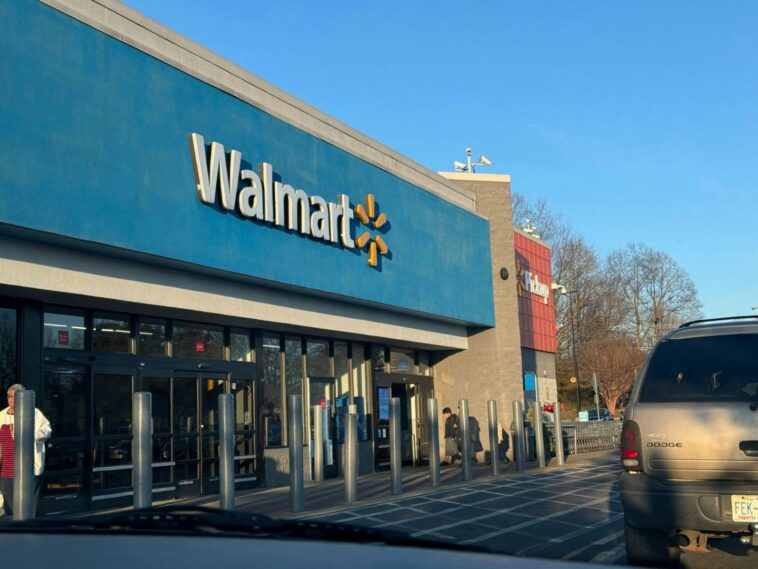
Walmart is tightening the link between store shelves and marketing results with its Scintilla In-Store platform, as retailers push deeper into first-party data systems that connect product availability with campaign performance. The launch gives suppliers access to store-level signals that may shape both operational choices and marketing decisions.
Scintilla In-Store sits in Walmart’s broader Scintilla data ecosystem, which is designed to turn detailed retail signals into what the company terms supplier insight. The new layer focuses on physical stores, offering visibility into shelf inventory and execution tasks. Walmart said the system brings together tools and workflows so suppliers can monitor store performance and respond to issues from a single interface.
When a promoted product is missing from shelves, digital campaigns can drive interest that cannot convert into sales. By giving suppliers earlier warning of stock gaps or display problems, store-level data may help brands adjust marketing spend, timing, or location targeting before performance drops.
As privacy limits reduce reliance on third-party tracking, retailers are investing in first-party systems that combine transaction data and customer behaviour. Shelf availability becomes part of the same decision chain as pricing and media buying.
Walmart said Scintilla In-Store can flag low stock or execution issues quickly enough for suppliers to act while the product is still in demand. The platform also includes task management tools, allowing suppliers to assign store visits or corrective actions. Future updates are expected to include AI-driven prioritisation features that assist suppliers in deciding which locations or items require attention first.
Store execution enters the marketing feedback loop
Coverage from PYMNTS notes that the platform aims to provide clearer insight into store conditions and product availability, helping suppliers respond faster to factors that affect sales performance.
Historically, marketing analytics concentrated on impressions and sales results. With access to store-level signals, brands can now trace performance issues to physical conditions like shelf placement or stock shortages. A drop in sales following a promotion may reflect distribution problems not weak demand.
Brands increasingly buy ads in retailer ecosystems, from sponsored search to on-site display and in-store media. If suppliers can confirm that stock is strong in certain regions, they may increase local promotion. If shelves are running low, they may reduce spend or change focus to other locations. Store execution data becomes a practical input into marketing allocation not a separate operational concern.
Retailers strengthen first-party data ecosystems
By offering suppliers a unified view of customer data and store conditions, retailers can anchor more of a brand’s planning in their own platforms. This may strengthen retailer influence over how suppliers manage inventory and product placement.
Walmart’s Scintilla ecosystem has already provided suppliers with access to sales and shopper insights. Adding store execution signals broadens that perspective. Suppliers may now compare what shoppers buy and how displays are maintained in the same data environment. That joined-up view may help brands separate demand shifts from execution failures when analysing results.
Large retail groups are building closed data environments where suppliers access analytics, media tools, and operational workflows in one place. The value for brands lies in speed and clarity: faster signals from stores can support faster marketing adjustments.
Data once owned by supply chain teams now feeds marketing insight. Campaign planning increasingly depends on whether products are visible and available in real stores, not online channels.
Scintilla In-Store illustrates how physical retail signals are moving into the same decision loop as digital marketing metrics. By combining shelf visibility and planned AI-based prioritisation, Walmart is extending its first-party data strategy deeper into store operations. If suppliers integrate these signals into planning cycles, marketing and merchandising may become more closely linked than before.
Retailers are building systems where data flows from shelf to dashboard to campaign plan with fewer gaps in between. As these systems mature, store-level signals may become a standard input in marketing strategy.
(Photo by KDavid Montero)
See also: Unilever partners with Google Cloud to expand AI use in marketing and commerce
Find out more about the Digital Marketing World Forum series and register here.
GIPHY App Key not set. Please check settings