
EXCLUSIVE: The BBC‘s biggest test since the BAFTA Film Awards has almost arrived.
Sunday night’s BAFTA TV Awards come less than three months after the debacle at its sister event, when tourette’s campaigner John Davidson involuntarily yelled the N-word at the stars of Sinners and the BBC failed to cut the slur.
The fiasco played out for days and led to in-depth reviews at both the BBC and BAFTA. The findings of these reviews will be tested fully for the first time this weekend, though BAFTA has hosted the non-televised Game and Craft Awards in recent weeks.
We can also reveal that the contract to produce both the BAFTA Film and TV awards will run down after Sunday’s event, raising questions about whether this will be Penny Lane’s final show in the hot seat. BAFTA, the BBC, and Penny Lane declined to comment on the contractual situation.
In the aftermath of the BAFTA Film Awards, the BBC created a new set of protocols, which now need to be unleashed without a hitch as the public broadcaster bids to avoid a repeat of the disaster.
According to the corporation’s Executive Complaints Unit (ECU) review, protocols include “pre-event assessment of potential on-air risks, mitigations and escalations being strengthened through final gate processes across all major live network events.”
While this explanation is laden with jargon, the BBC is effectively looking to work more diligently at sniffing out issues as they happen, with senior people in place to swiftly deal with them.
Furthermore, the process by which the BBC deals with offensive content on iPlayer has been “recommunicated internally to ensure effective removal of programming from the service where necessary.”
The BBC’s failure to remove the audible N-word slur from iPlayer until the morning after the Film Awards, ostensibly because this was when it was finally given the green light to do so by content boss Kate Phillips, significantly compounded the issues.
An edited version of the Film Awards has still not been reinstated to iPlayer, and Deadline hears that it is unlikely to ever return. BAFTA has, however, made an edited version available to international partners, so the broadcast is accessible to viewers outside of the UK.
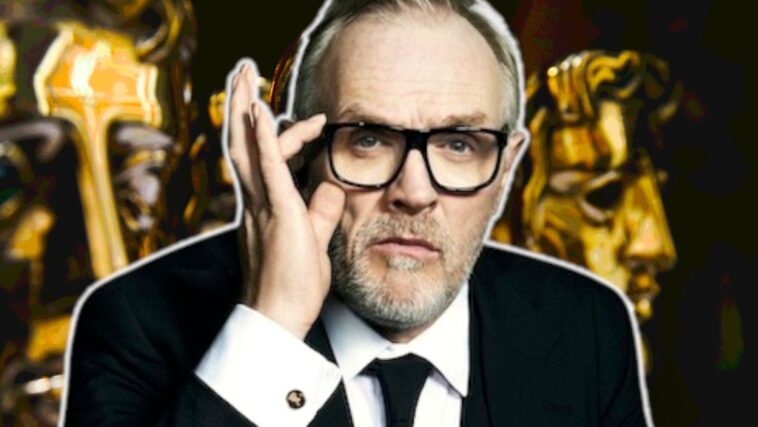
BBC insiders tell us there is a feeling of nervousness but resolve when it comes to Sunday night’s ceremony, which, as with the Film Awards, will air on a two-hour time delay on BBC One. Presented by Taskmaster host Greg Davies, it will feature big stars including Colin Firth, Aimee Lou Wood, Taron Egerton, and virtually the entire cast of Adolescence. Hollywood attendees include Adam Scott, Seth Rogen, and Awkwafina.
To attempt to quell nervousness, the BBC has been quietly rolling out its new protocols. Deadline hears they were used for the recent live Comic Relief charity broadcast, which insiders said went down well, albeit on a show that attracts less scrutiny. They will be rolled out again tonight for the live coverage of David Attenborough’s 100th birthday, which includes live celebrations of the beloved documentarian.
“There’s a nervousness but a lot of changes have been made after BAFTA Film Awards and the team feels confident the new protocols are working well,” said a person close to the broadcast. “There will inevitably be extra scrutiny given the BBC and BAFTA are working again on a delayed live broadcast, but we will be beyond rigorous.”
That scrutiny will certainly extend to BAFTA presenter Davies. Yesterday, BAFTA Film host Alan Cumming blasted “bad bad bad leadership” over the debacle in an interview with The Times. He said the issue stemmed from “bad people who weren’t doing their jobs properly, who really had not prepared and let people down,” adding that he and the audience hadn’t been warned Davidson’s outbursts might be offensive. Unsurprisingly, he confirmed he will not be returning to host the ceremony.
“Unicorn Car Crash”
Despite the increased rigor, there is a recognition among those close to the event that the circumstances of the Film Awards were unique, with a well-placed person describing it as a “unicorn car crash.”
No one ever quite knows how an event will be interrupted, a notion that was proved bizarrely at last week’s World Snooker Championships when an audience member halted proceedings to protest about the BBC licence fee.
The BAFTA Film debacle led to heightened frustration because learnings were supposed to have been taken from the Bob Vylan Glastonbury crisis several months prior, and Deadline revealed before the event that the BBC was already on high alert due to Davidson’s attendance. BBC insiders have previously stressed, however, that Glastonbury music festival and awards shows are a different kettle of fish.
There is also the febrile nature of current political debate. A lesser-discussed Film Awards complaint, which was not upheld by the BBC’s ECU, related to the final edit of Akinola Davies Jr’s acceptance speech omitting his “free Palestine” remarks. This, the ECU said, was viewed as especially “objectionable” by viewers, given that the N-word remained in the broadcast.
Fast forward several weeks and the atmosphere around these issues is even more highly-charged following a string of antisemitic incidents in the UK and with vehement BBC critic Donald Trump still at war in the Middle East. Emotional speeches and hot-headed interruptions will all have to be planned for.
Sunday night is an important one for the BBC to get right, with morale among staff having hit a low in recent weeks following the news that 2,000 people across the corporation are soon to be laid off.
Eight days after the BAFTA TV Awards conclude, the reign of Director General Matt Brittin will begin. Before then, some of the biggest names in British entertainment, along with a fair few American stars, are about to hit the Royal Festival Hall. The BBC will be hoping it is the stars, and not unforeseen issues, that dominate the news agenda come Monday morning.